
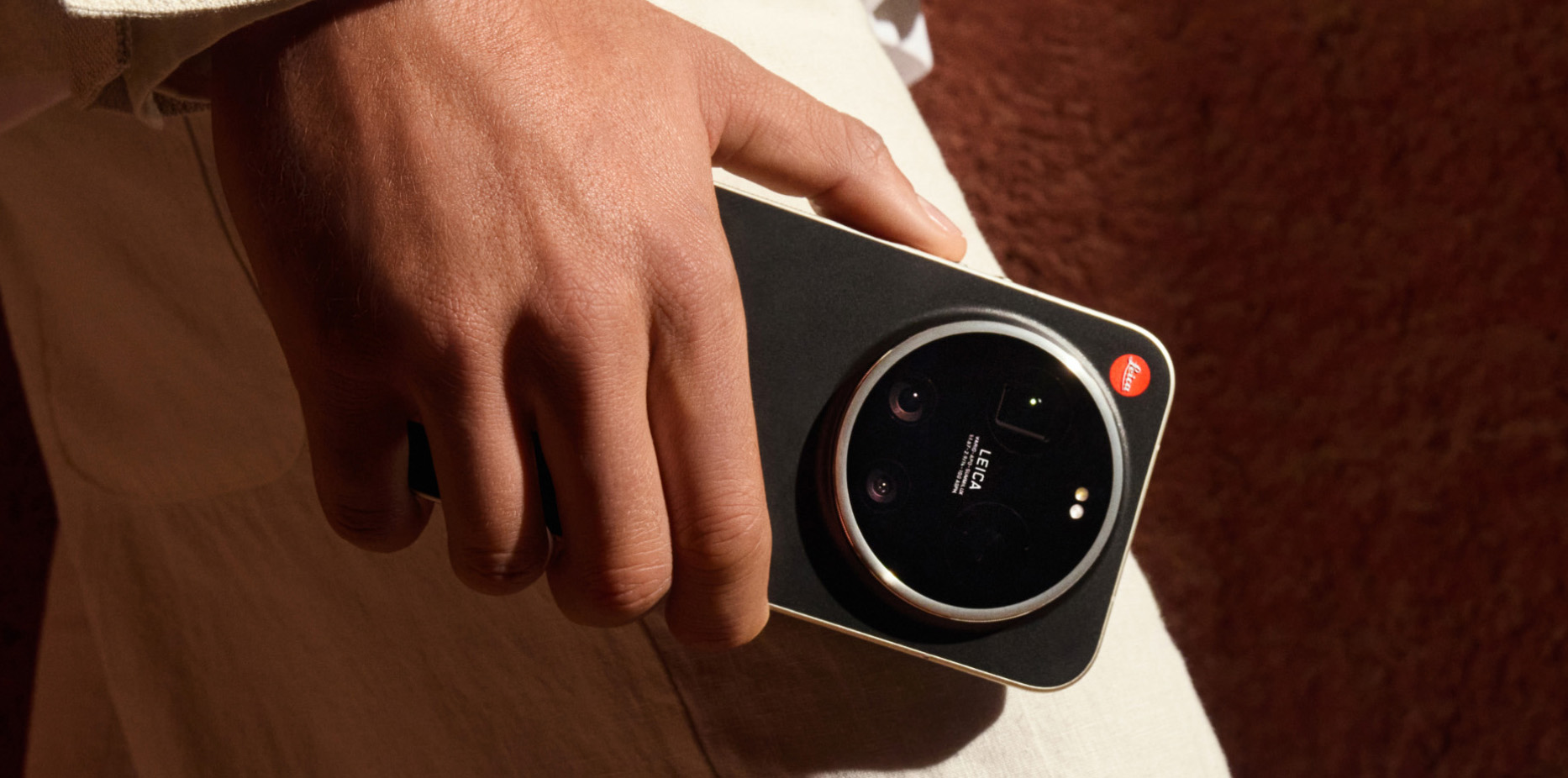
The Leica/Xiaomi Leitzphone has the best camera in a smartphone yet, but in some ways remains inferior to run-of-the-mill ‘proper’ cameras
It has been possible to turn out awe-inspiring stills and video using just a high-end smartphone for almost a decade. Arguably, Leica’s collaboration with Huawei, back in the late 2010s, combined excellent optics with astonishingly good smartphone sensors. Computational photography tricks worked hard to convince you a big sensor camera was going to be a thing of the past. Samsung, amongst others, even tried building a phone into a compact camera.
Conversely, in 2008, also with some Leica optical collaboration, Panasonic Lumix launched Micro Four Thirds (MFT), the very first mirrorless system camera. Its raison-d’etre was to tempt those who were dissatisfied with the limitations of compact cameras, but weren’t interested in bulky and complicated DSLRs.
MFT is nearing its 20th anniversary, with its main flag-bearers, Panasonic Lumix, and OM System (nee Olympus), but to remain relevant, it’s had to reinvent its purpose after the smartphone camera came of age and decimated the compact camera genre.
Leica as back again, with another remarkable feat of optical engineering that lives inside a Smartphone, the Leica Leitzphone, a dressed-up Xiaomi 17 Ultra Leica Edition. By all reports the Leitzphone takes amazing pictures thanks to its main 1 inch sensor, and a 200 megapixel 1/1.4 inch optical periscope zoom lens. The phone has been designed with photography requirements to the fore; there is even a rotating control ring.
There is no doubt that many photographers would be fascinated by the Leitzphone, and enjoy using it. They would most likely be able to produce detectably better quality images thanks to Leica’s magic, and so it should be considering the €2,000 price tag.
But the question has to be, is this a prime example of the law of diminishing returns? Can a €2,000 smartphone take better pictures than a conventional camera at a fraction of the price? Even more importantly, perhaps, is the satisfaction and scope of using a smartphone for photography going to cut the mustard compared to more conventional cameras.
The very nature of a thin and largely flat device, one side of which is a touch screen, whose primary purpose is to slide into your back pocket, means there is no escaping from the fact that, no matter how good the optics, or the image processing, if you love using a beautifully ergonomic conventional camera, to truly love a Leitzphone, you must rise above some fundamental limitations of its handling and versatility.
With a system camera, you can take landscapes, portraits, and nature or motorsport action photography, without needing to change lenses, and without struggling with the user interface and the worry of dropping and smashing your €2,000 device.
Unfortunately, you won’t be able to use your system camera to phone a friend, but you might need to in order to afford to buy a Leitzphone, even if you really had to own one.